
After SRP: The Hygienist’s Role in Supporting Early Healing, Patient Confidence, and Improved Post Procedural Care
Back to Blogs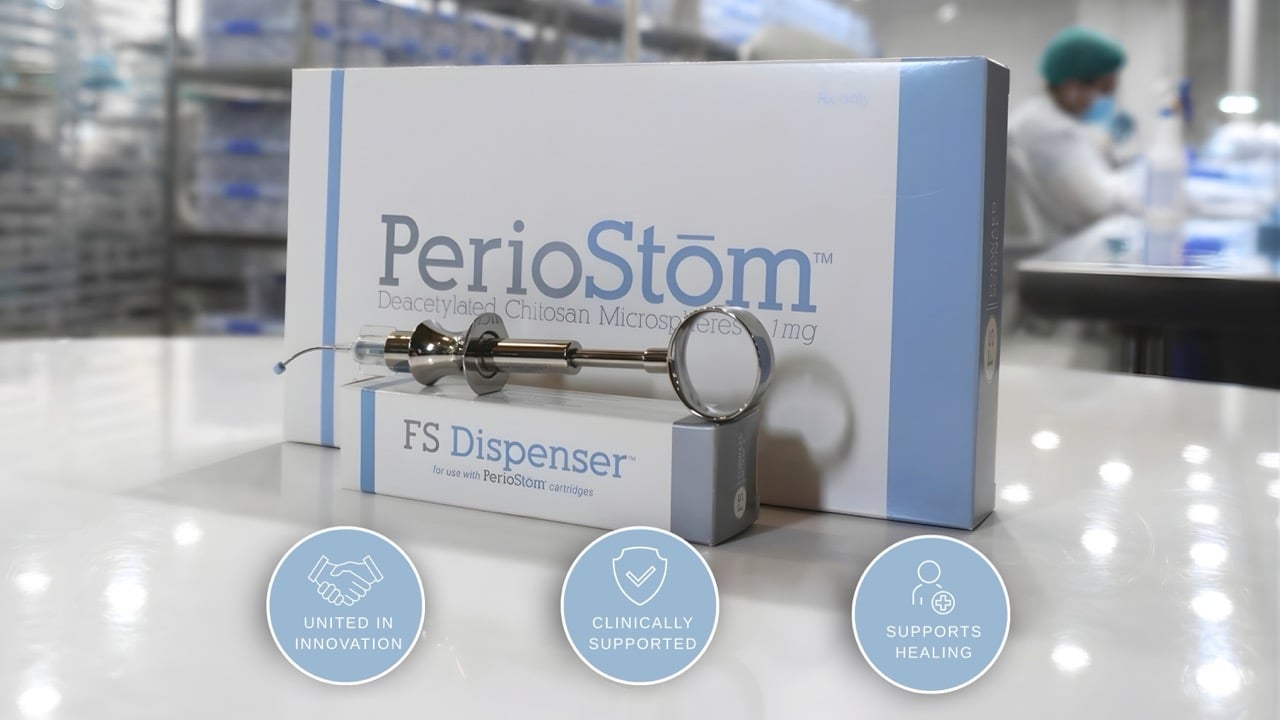
Scaling and root planing (SRP) remains a cornerstone of non-surgical periodontal therapy. While the procedure itself is critical for disrupting biofilm and removing deposits that contribute to periodontal inflammation, the appointment does not mark the end of treatment. In many ways, it marks the beginning of the healing phase, during which patient education, home-care guidance, and tissue management can significantly influence the overall patient experience.
Dental hygienists play a central role in helping patients navigate the days and weeks following SRP. Effective communication, realistic expectations, and thoughtful post-procedural care can support patient comfort, encourage compliance, and reinforce confidence in the treatment process. Patients who understand what to expect during healing are often more likely to adhere to recommendations and return for ongoing periodontal maintenance.
Setting Expectations Before Patients Leave the Chair
One of the most valuable services a hygienist can provide following SRP is clear communication. Patients frequently leave periodontal therapy wondering whether tenderness, bleeding, or sensitivity are normal. Without guidance, these common post-treatment experiences can create unnecessary anxiety.
Following SRP, patients may experience:
- Mild soreness or tenderness of the gingival tissues
- Temporary tooth sensitivity, particularly to cold temperatures
- Minor bleeding when brushing or flossing
- Tenderness during chewing
- Slight tissue shrinkage as inflammation resolves
Explaining that these responses can be a normal part of the healing process helps patients feel more comfortable and reassured. Equally important is helping them understand that healing timelines vary based on the severity of inflammation, systemic health factors, and individual oral hygiene practices.
When patients know what to expect, they are more likely to recognize the difference between normal healing and symptoms that warrant a follow-up call to the practice.
The Importance of Home-Care Communication
The period immediately following SRP presents an opportunity to reinforce home-care habits that support healing. While it may be tempting for patients to avoid cleaning tender areas, maintaining plaque control remains critical.
Consider emphasizing the following recommendations:
- Continue brushing twice daily with a soft-bristled toothbrush.
- Carefully clean along the gingival margin without aggressive pressure.
- Follow any clinician-recommended interdental cleaning instructions.
- Return for scheduled re-evaluation and maintenance appointments.
Explaining that these responses can be a normal part of the healing process helps patients feel more comfortable and reassured. Equally important is helping them understand that healing timelines vary based on the severity of inflammation, systemic health factors, and individual oral hygiene practices.
Rather than overwhelming patients with extensive instructions, focus on a few key actions that are achievable and easy to remember. Patients who feel confident in their ability to care for treated areas are often more engaged in their recovery and long-term periodontal management.
Early Healing Matters
The first several days after SRP can significantly influence the patient’s perception of treatment success. During this period, tissues are recovering from both the underlying inflammatory process and the instrumentation required to debride root surfaces.
Following treatment, the gingival tissues may be irritated, friable, and susceptible to mechanical disruption. Patients will continue eating, drinking, speaking, and performing oral hygiene while the tissues are beginning to heal.
For this reason, many clinicians are exploring ways to support the healing environment during the immediate post-SRP period. Protecting vulnerable tissues while maintaining patient comfort may encourage a more positive treatment experience and greater compliance with future periodontal care recommendations.
Supporting Tissue Protection Following SRP
In addition to patient education and home-care instructions, some clinicians choose to utilize adjunctive measures designed to provide temporary protection for compromised soft tissues following instrumentation.
One option is PerioStōm, an FDA-cleared, non-drug oral wound dressing from Forward Science intended as a physical barrier for temporary protection of oral mucosal tissue and pain relief following irritation, trauma, or dental procedures such as scaling and root planing. Applied directly after treatment, PerioStōm transforms into a bio-adhesive gel that forms a temporary protective barrier over treated tissues.
Because SRP can leave inflamed gingival tissues vulnerable to irritation from daily activities, a temporary physical barrier may help protect the treatment site during the early stages of healing. PerioStōm is designed to shield compromised tissues from further irritation while supporting patient comfort as healing progresses. It is a proprietary formulation of chitosan microspheres that form a bio-adhesive barrier when exposed to saliva or crevicular fluid.
Enhancing Patient Confidence Through Comfort
Patient comfort extends beyond physical healing. It also includes confidence that the treatment was worthwhile, and that recovery is progressing appropriately.
Patients who experience excessive discomfort may become hesitant to return for future periodontal therapy or maintenance appointments. Conversely, patients who feel informed, supported, and comfortable are often more likely to remain engaged in their periodontal care plan.
A simple conversation that acknowledges potential sensitivity, reinforces home-care expectations, and explains available supportive measures can greatly improve the patient experience. These discussions demonstrate empathy while reinforcing the value of ongoing periodontal treatment.
The Hygienist’s Role in Long-Term Success
Successful periodontal therapy depends on much more than instrumentation alone. Hygienists serve as educators, coaches, and advocates throughout the patient’s healing journey.
Post-SRP appointments provide an opportunity to:
- Reinforce the connection between biofilm control and periodontal health
- Encourage adherence to recommended maintenance intervals
- Address concerns before they become barriers to compliance
- Evaluate healing and patient comfort to strengthen patient confidence in treatment outcomes
When patients understand both the purpose of treatment and the importance of healing, they become active participants in their periodontal care rather than passive recipients of treatment.
Post-SRP Patient Checklist
Before dismissing a patient, consider reviewing this quick checklist:
✓ Understand expected post-treatment tenderness or sensitivity
✓ Brush gently with a soft-bristled toothbrush
✓ Follow individualized interdental cleaning instructions
✓ Contact the office with questions or unusual symptoms
✓ Schedule and keep periodontal maintenance appointments
Conclusion
SRP is a critical step in managing periodontal disease, but the healing period that follows should not be overlooked. By setting realistic expectations, reinforcing effective home care, supporting patient comfort, and helping protect vulnerable tissues during early healing, hygienists can play a meaningful role in improving the overall patient experience.
When patients feel informed and supported, they are more likely to remain engaged in their periodontal care journey. Through thoughtful post-procedural communication and appropriate adjunctive tissue-management strategies, hygienists can help foster confidence, encourage compliance, and support effective post-procedural care.
PerioStōm is distributed exclusively by Premier Dental Products (premierdentalco.com).
See the full news HERE.
Recent Posts

Our Team
Resources
- Address
10810 Craighead Dr.
Houston, TX 77025- Get Directions
- Get Directions
- Phone Number
- (855) 696-7254
© 2026 Forward Science. All Rights Reserved. Privacy Policy.